
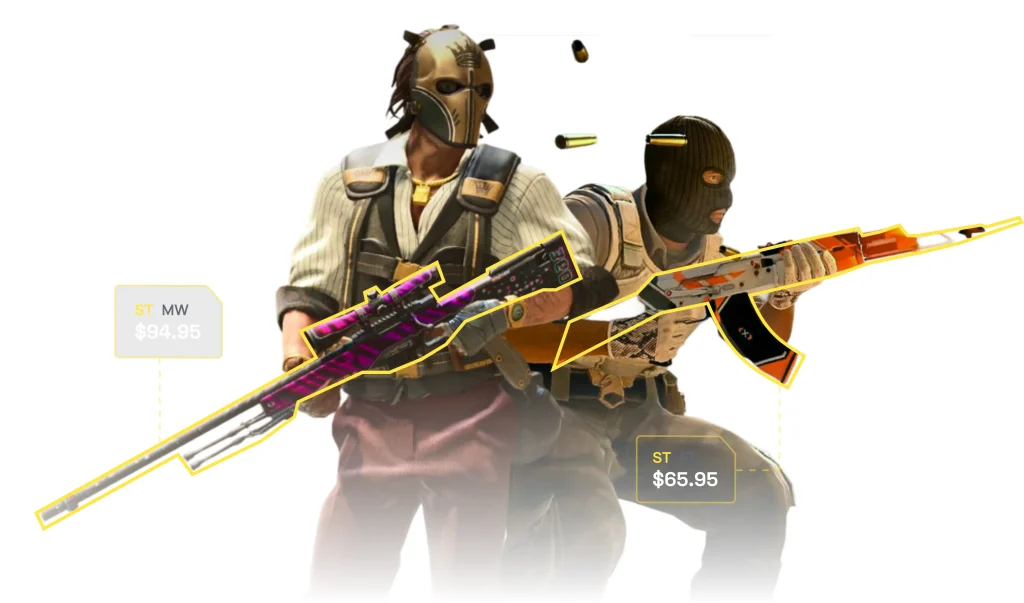
CS2 trading bots handle the mechanics that make instant skin trades possible. Understanding how they actually work helps you trade smarter, avoid bad platforms, and know exactly what to expect when you hit confirm on an offer.
The mechanics behind an automated skin trade
A CS2 skin trade bot is a Steam account running automated software that holds a live inventory and processes trade offers without any human on the other end. When a trade is initiated on a bot platform, the system checks your trade URL, verifies the items involved, calculates the value, and sends a Steam trade offer programmatically. The whole process typically completes in seconds.
For this to work instantly, your Steam account needs a public inventory, an active trade URL, and a Steam Mobile Authenticator that has been running for at least 7 days. That last part is non-negotiable. Without the authenticator active for 7 days, every trade enters a mandatory 15-day hold at the Steam level. No platform can bypass this. It is a Steam restriction, not a site policy.
Once a trade completes, any item you receive carries a 7-day Trade Protected status, shown with a yellow shield icon in your inventory. During that window, the item cannot be re-traded, listed on the Steam Community Market, or modified. After 7 days, protection lifts automatically and the skin is fully yours to use or trade again.
How bot platforms differ from peer-to-peer trading
Peer-to-peer trading means trading directly with another player. Bot platforms remove the human counterpart entirely.
The biggest practical difference is reversal risk. Steam allows any account to reverse all trades from the past 7 days if it claims a compromise. In a peer-to-peer cash deal, the seller could receive a PayPal payment and then trigger a trade reversal, reclaiming the skin with no penalty to them. The buyer gets their items back eventually, but the process is messy and the cash is already gone. Bot platforms eliminate this risk because there is no human counterpart who received payment and can initiate a reversal after the fact.
Speed and availability are the other major differences. A bot platform holds a live inventory that is ready to trade immediately, at any hour. Peer-to-peer trades depend on finding a willing counterpart, agreeing on price, and both parties being online at the same time. For anyone looking to move skins quickly, automated CS2 trading removes all of that friction.
What to check before trading with a CS2 bot site
Not every bot platform operates the same way. A few checks before your first trade will save a lot of headaches.
- Bot inventory size and rotation. A platform with a large, actively rotating inventory gives you real options. A thin inventory means limited selection and potentially stale pricing.
- Float and pattern data on listings. Any serious platform should show float values on every item. If you are buying a knife or a pattern-dependent skin like an AK-47 Case Hardened, you need to see the pattern index before committing.
- Pricing transparency. Bot platforms price against Steam Community Market value but without Valve’s 15% fee structure (5% Steam fee plus 10% CS2 game fee). That fee difference is the actual mechanism behind competitive pricing on third-party sites, not a discount. If a site’s prices look dramatically below that range, verify what you are actually getting.
- Withdrawal and balance options. Understand whether your balance is cash-withdrawable or trade credit only before you sell anything.
- Site reputation. Check community forums and trusted CS2 trading communities. Longevity and consistent user feedback matter more than slick UI.
Skinvault lists float values on every item and prices against Steam Community Market rates without baking in that 15% fee, which makes it straightforward to compare what you are actually getting on either side of a trade.
Common CS2 trading bot limitations to know
Automated CS2 trading is fast and reliable, but there are real limitations worth understanding before you expect something a bot platform cannot deliver.
Bot inventory is finite. High-demand skins, specific float ranges, or rare patterns may not be available at any given moment. Inventory rotates as other users trade in and out, so availability changes constantly. If you are hunting a very specific item, checking back regularly or setting up alerts where available is the practical approach.
Pricing on bot platforms reflects market rates, not negotiated deals. There is no haggling, no sweetening an offer with a throw-in item. The system prices algorithmically. That is a feature for speed and consistency, but it means the flexibility you might get in a direct peer-to-peer negotiation does not exist here.
Finally, the 7-day trade protection on received items applies regardless of where the trade happens. If you buy a skin through a bot platform and want to immediately flip it elsewhere, you will need to wait out the protection window first. Plan around that if you are actively trading for profit rather than building a loadout.
Once you understand how CS2 skin trade bots actually function, most of the uncertainty around using them disappears. The mechanics are straightforward, the protections are real, and the speed advantage over peer-to-peer is significant. The main job is picking a platform with transparent pricing, solid inventory, and a track record worth trusting.